The Spreewerk P38
Based on the serial number and slide markings, I was able to deduce that this pistol made by Spreewerk in August of 1944. I knew, of course, that Walther manufactured the P38, but I didn’t know that Mauser and Spreewerk also built them. Spreewerk has roots in making munitions all the way back to 1920 and produced around 300,000 P38s from 1939-1945 in its Czech plants.
Related: Military Classics – Spreewerk P38 & Charles Daly 1911
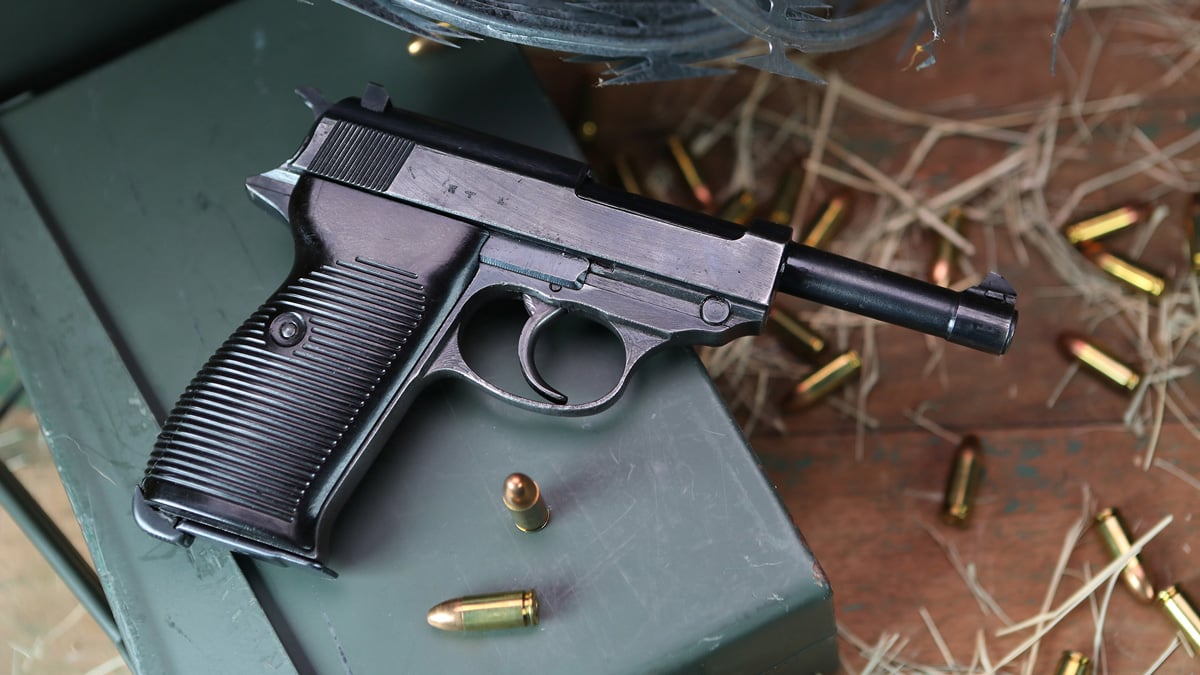
As the name suggests, production of the P38 began in 1938. It was intended to replace the Luger P08 as the service pistol for the German Army, because the Luger was complicated and expensive to manufacturer. A steel-framed, hammer-fired pistol, the P38 was the first locked-breech pistol to use what later would be called a double action/single action or traditional double action firing mechanism.
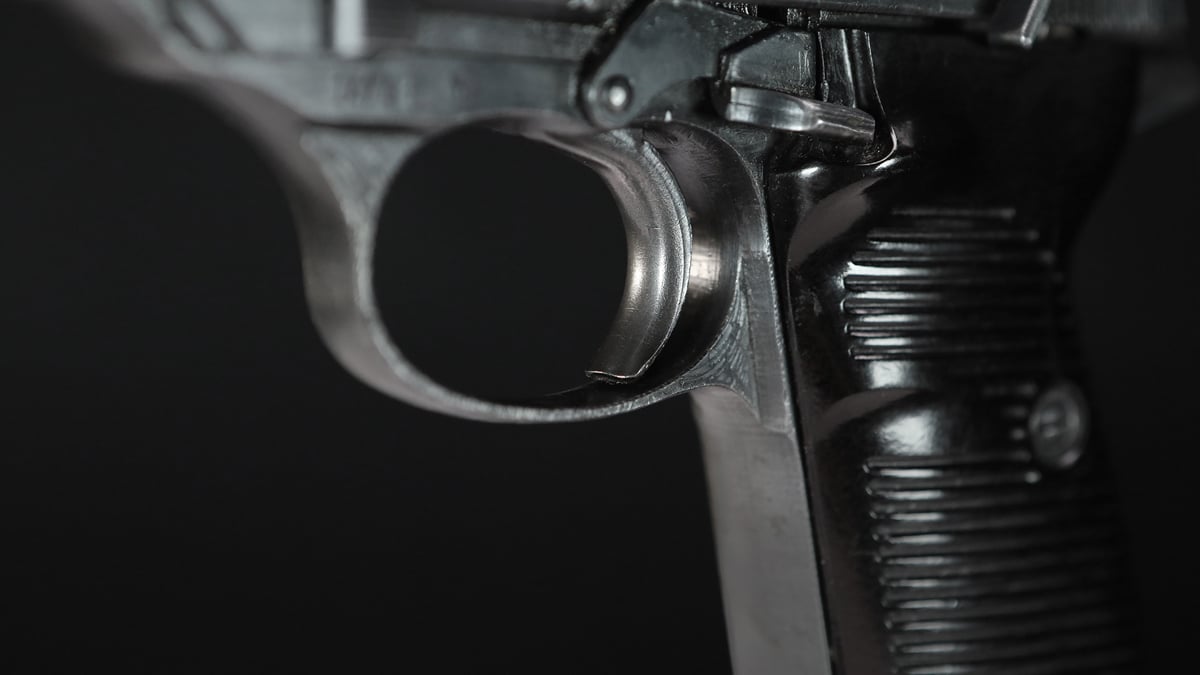
The first trigger pull is a long double-action pull that both cocks the hammer and releases it. This is done for safety, since you must deliberately pull the heavy trigger. Subsequent shots only require a single-action trigger pull, because the hammer will already have been cocked from the first shot. This makes follow-up shots easier and more accurate. Traditional double action became the standard pistol action for most handguns made in the '80s and '90s, including the Beretta M9.
Features & Specs
Other notable features include a loaded chamber indicator, European-style heel magazine release, smooth plastic grip, and an unconventional left-hand ejection pattern.
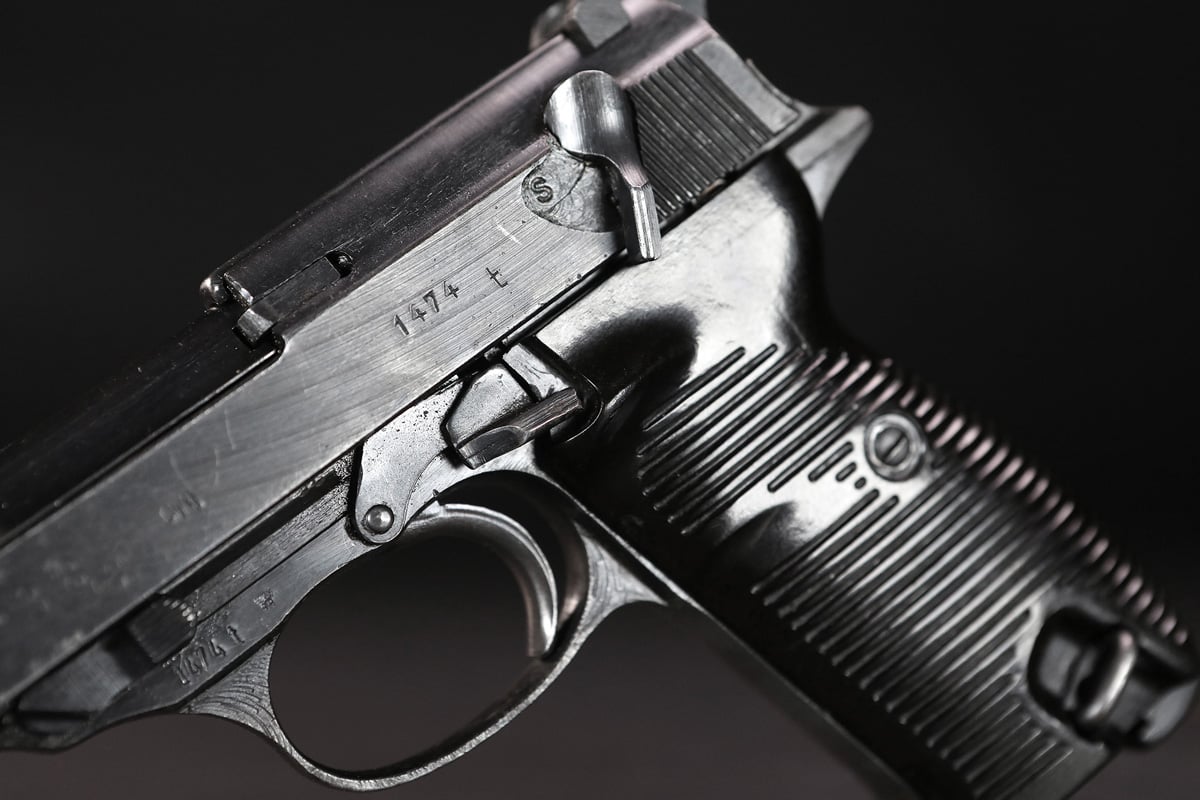
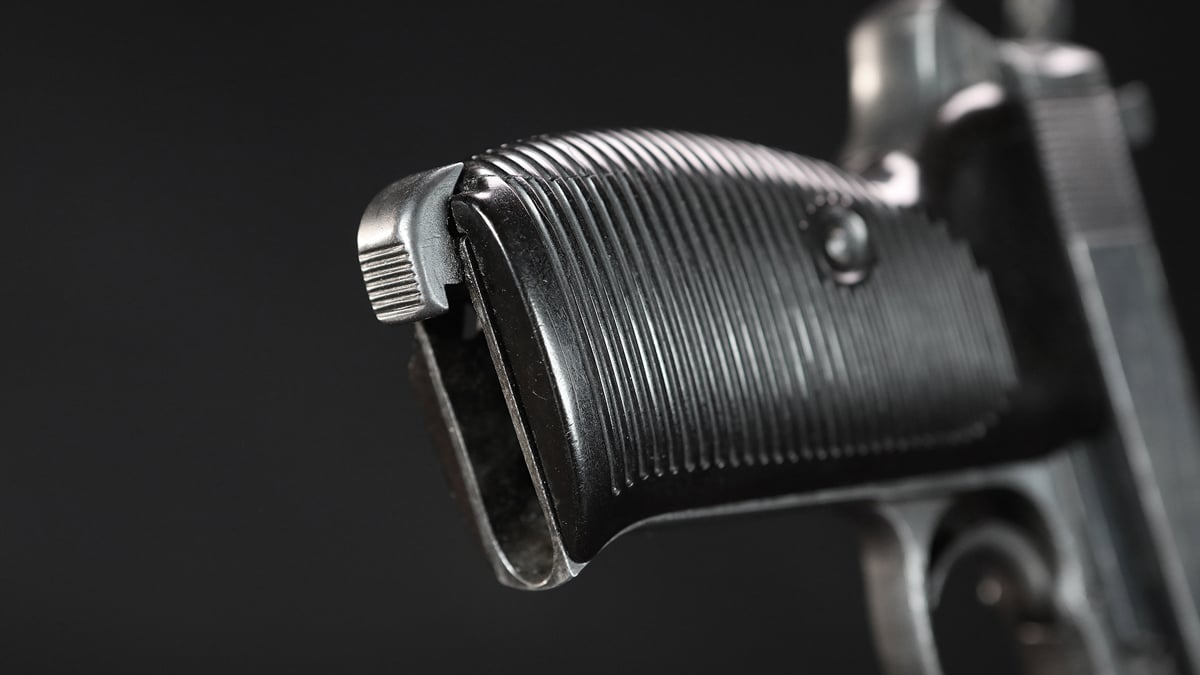
Beretta later copied several more P38 features with the M9/Beretta 92 design. These include the slide-mounted safety and decocker, open-top slide with exposed barrel, falling block locking mechanism, takedown lever, and easy field-strip ability. Many other later firearms also copied various aspects of the innovative P38, cementing its place in firearms history.
- Caliber: 9mm
- Capacity: 8+1
- Weight: 34 ounces (empty)
- Overall Length: 8.5 inches
- Barrel Length: 4.9 inches
-
Height: 5.5 inches
Shooting Notes
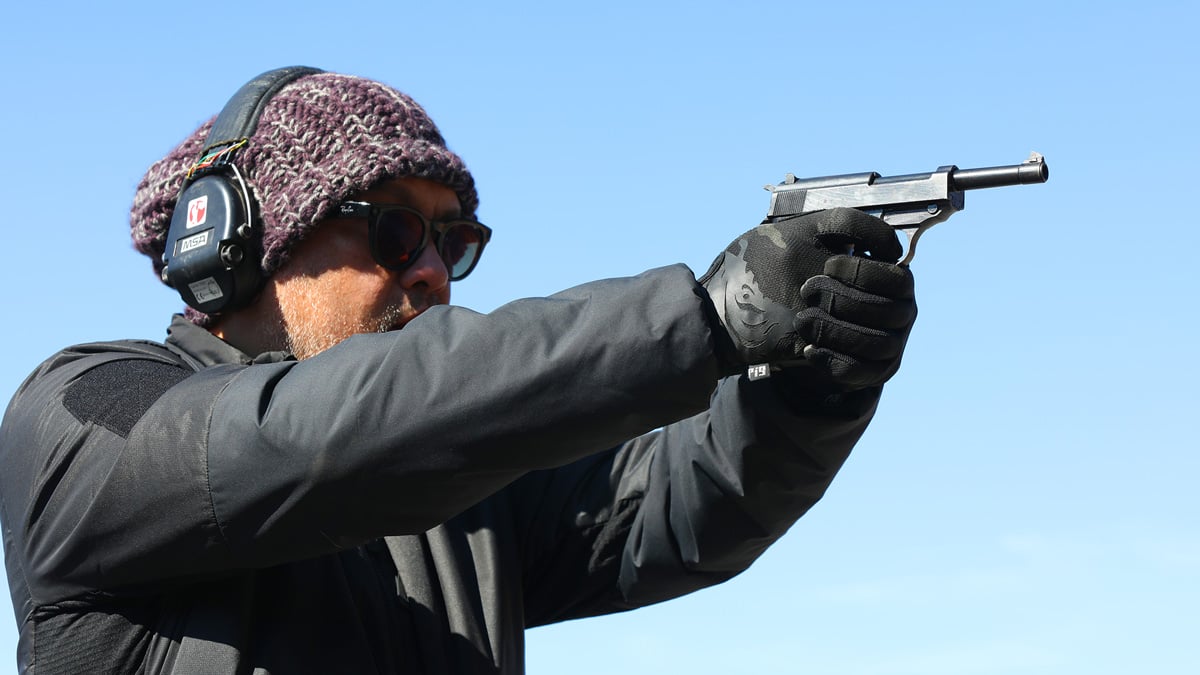
The P38 was way ahead of its time and still shoots well today. It feels good in the hand, and it points naturally in both double- and single-handed grips.
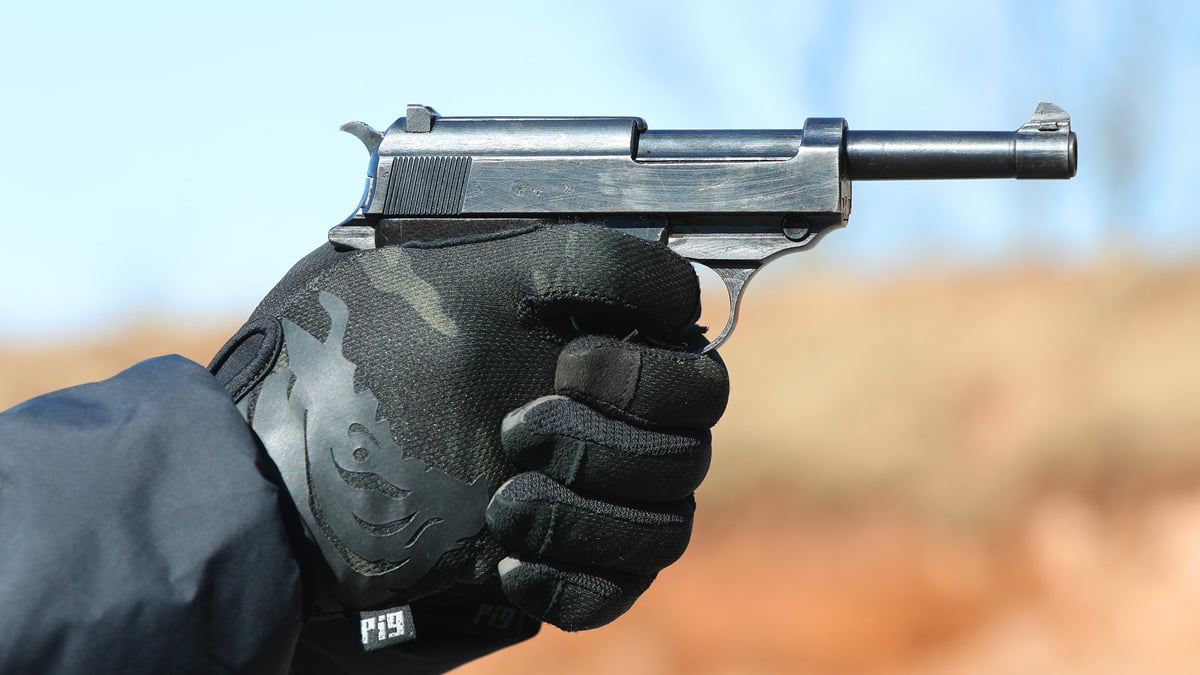
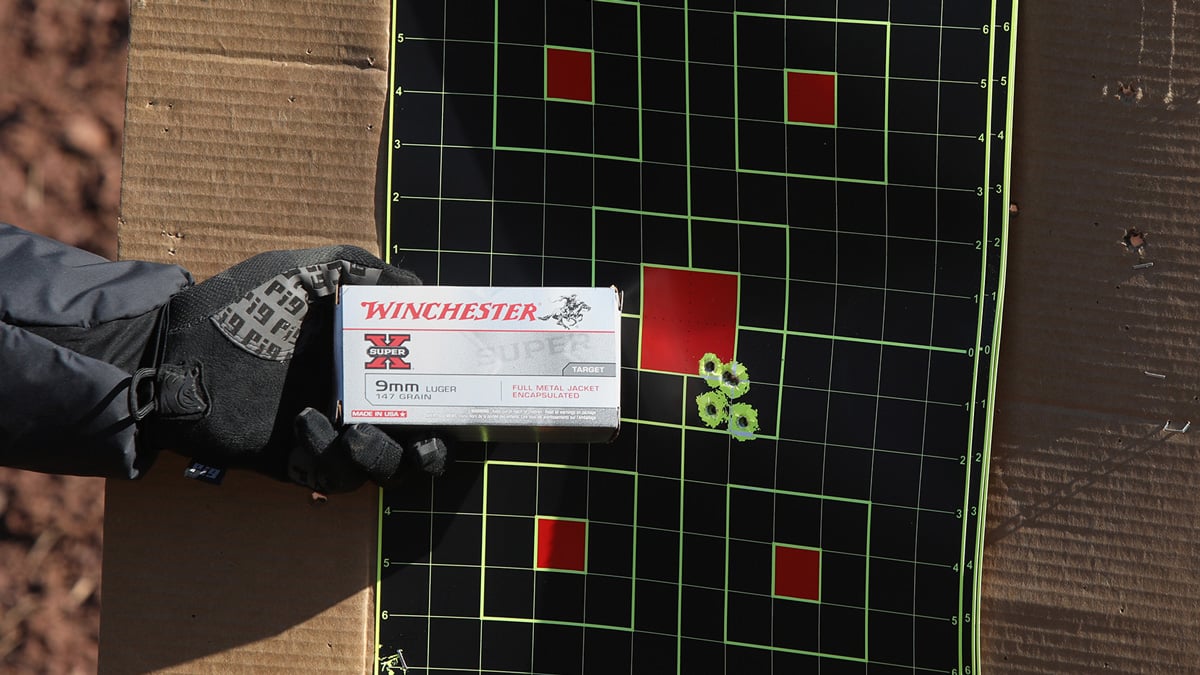
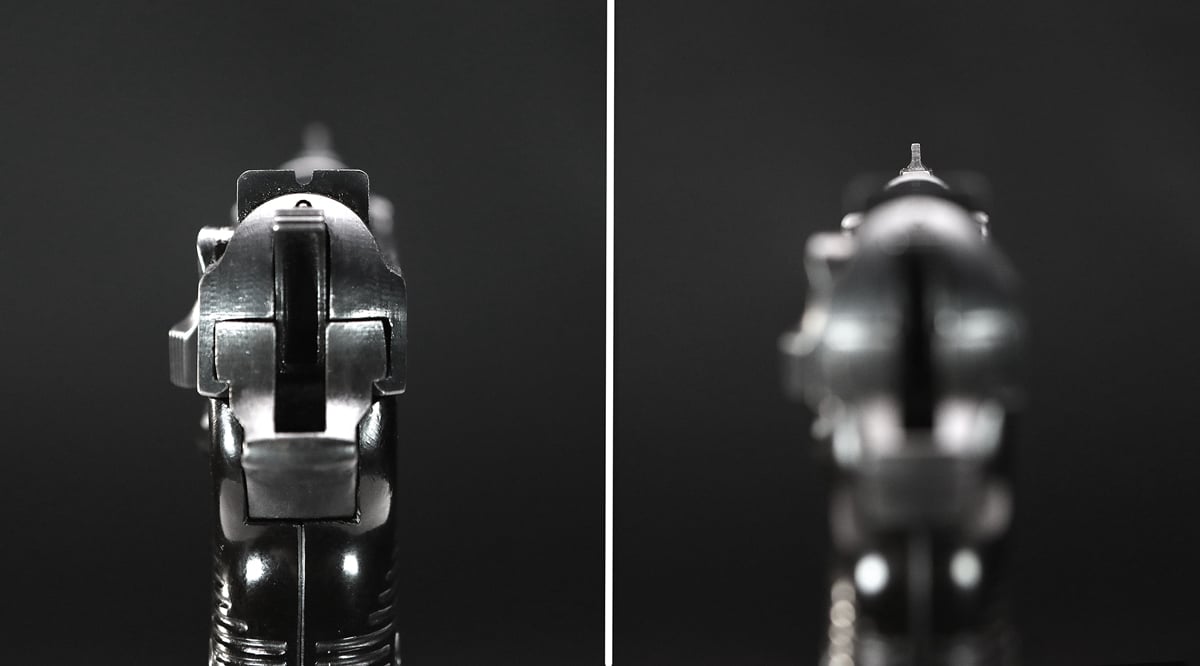
Accuracy was incredible, especially considering these old-style narrow sights. Apparently, they still work, though they are not as fast as modern iron sights. I had a hard time picking them up at speed, partly because my eyes are getting old and there is no contrast on these metal sights. Hi-viz paint on the front sight would probably help.
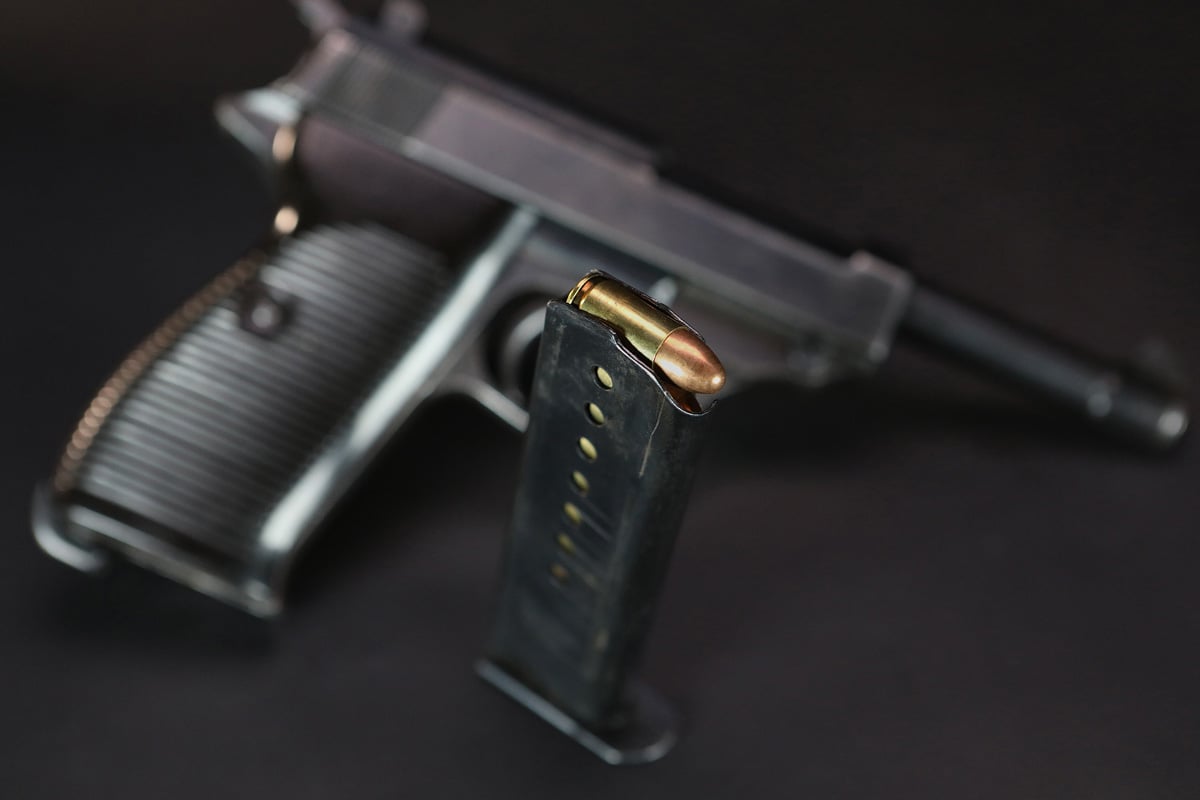
I did have some failures to feed, but I think these springs are original from 1944. It only came with one magazine that I’m quite sure was the culprit, because the mag spring felt very weak. I would guess if it were refurbished with new springs and magazines, it would run like a top.
I also noticed an inconsistent trigger pull. The double-action pull ranged from 9-11 pounds, and the single action went from 3-5 pounds. Despite this, the pulls were fairly smooth, kind of like your average revolver. The double action was heavy enough that I needed to go all the way to my first knuckle to pull it consistently, but the single action was nice.
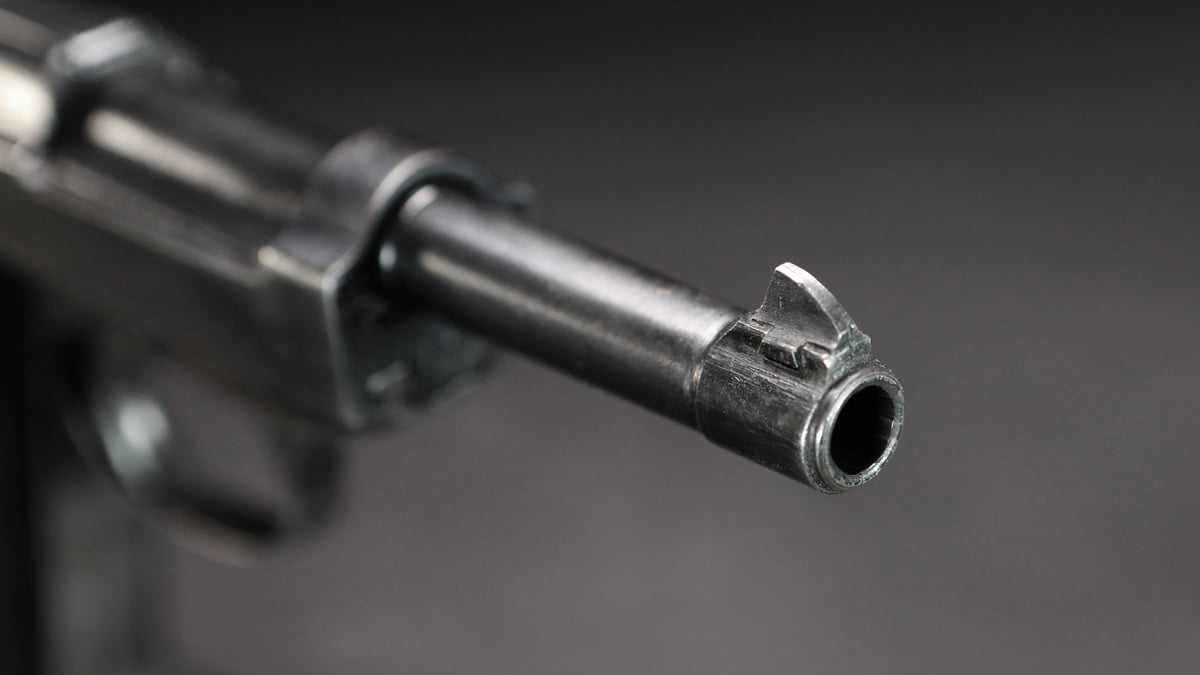
I’m not surprised at the trigger inconsistency, considering all the tool and machine marks on this gun. Manufactured in 1944, it is clear these guns were built as fast as possible to get them out to the soldiers. It would be something to have a gunsmith clean up all the parts. I bet it would feel amazing.
My Thoughts
Overall, I love this gun. I now understand why it had such a great reputation and why it was copied for decades. The P38 feels great in the hand. It’s 34 ounces because it is all steel, but it balances well because all the weight is in the hand. The barrel is exposed, and the slide is super short. It’s perfect to point and shoot.
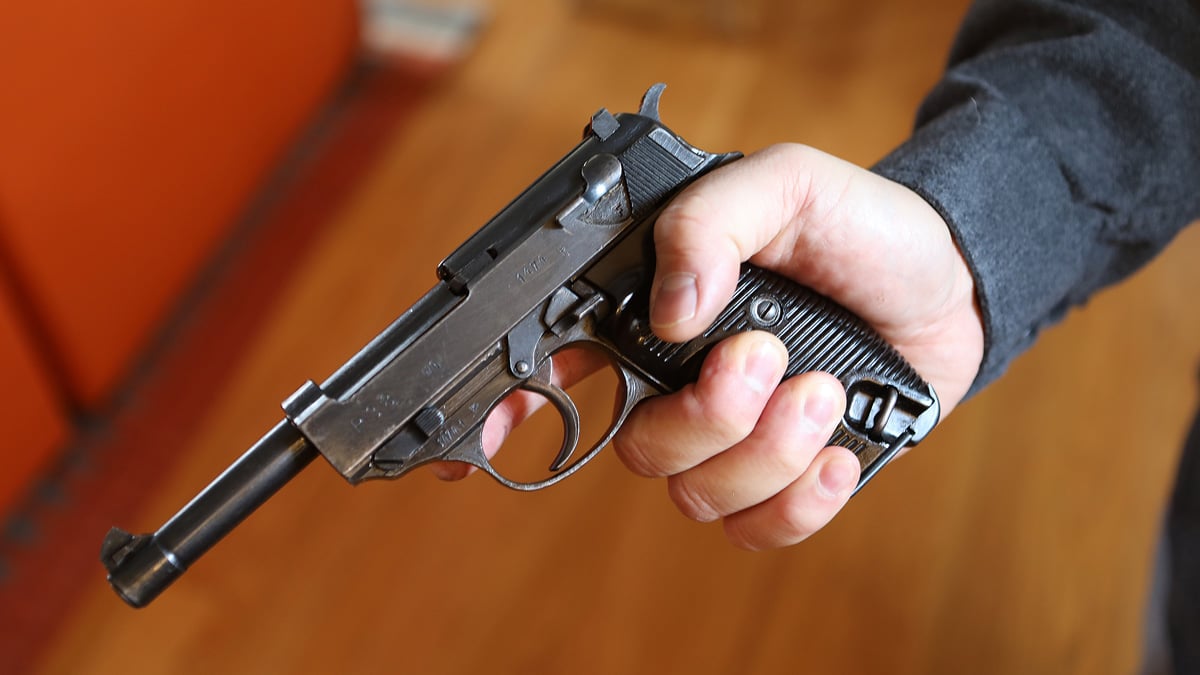
The grip is also big and fills the hand. Grip traction is not there, but the weight of the gun and the light slide weight makes recoil manageable.
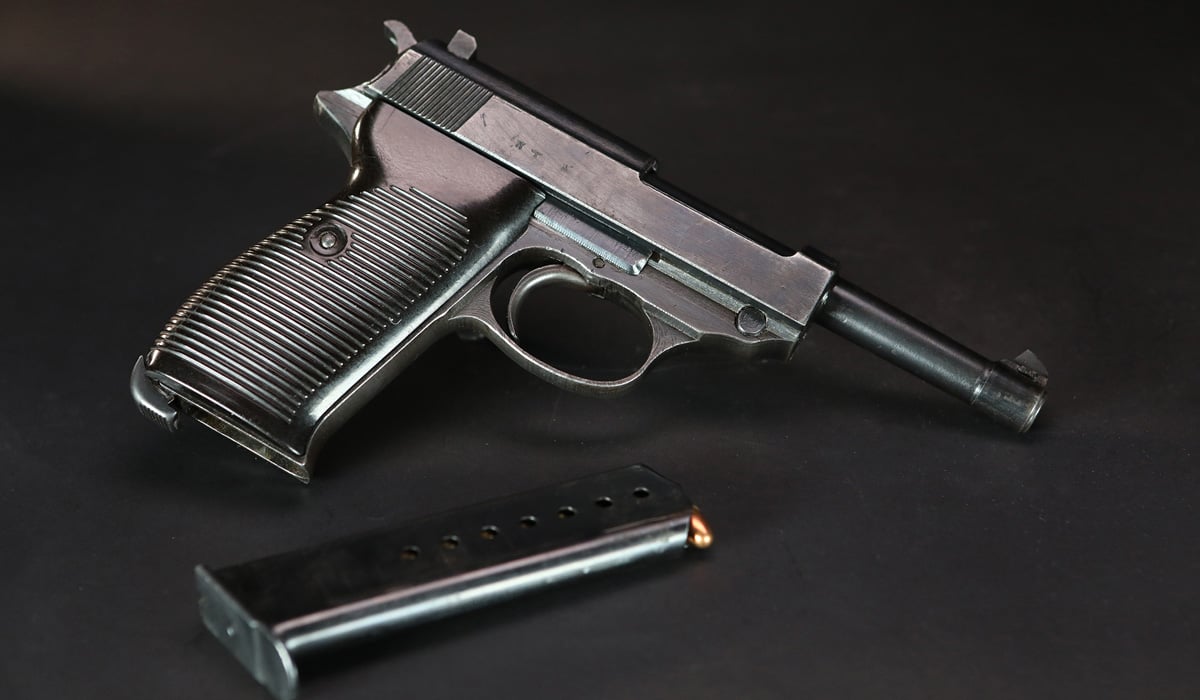
Magazine capacity is only eight rounds, which is limiting. Nowadays, a grip this big would be designed with a double-stack magazine. But for a 1938 design, it’s forgivable.
Conclusion
I want to keep this gun and make a project of restoring it to fighting condition. I don’t think it would be too difficult or too expensive, and I would guess these guns will continue to grow in value as they become rarer over time.
With its unique look, the P38 is a must-have for any World War II buff or anyone – like me – who loves the Beretta design.