Reliability
First, let’s talk about reliability. Reliability is probably the most important feature when it comes to a home defense or end-of-the-world gun. But it’s also very important for first-time AR-15 owners and people who only plan to buy one AR-15 – these buyers usually don’t want to tinker, tune, or solve malfunction problems.

Instead, they want something that works all the time, every time. In my experience, the CAR814 fits the bill.
Related: New to Guns.com – Unboxing Three Caracal Rifles
Bolt Carrier Group
The Caracal is built well. The heart of any rifle is the bolt and carrier group. This one has a mil-spec set made out of Carpenter 158 steel – that’s good.
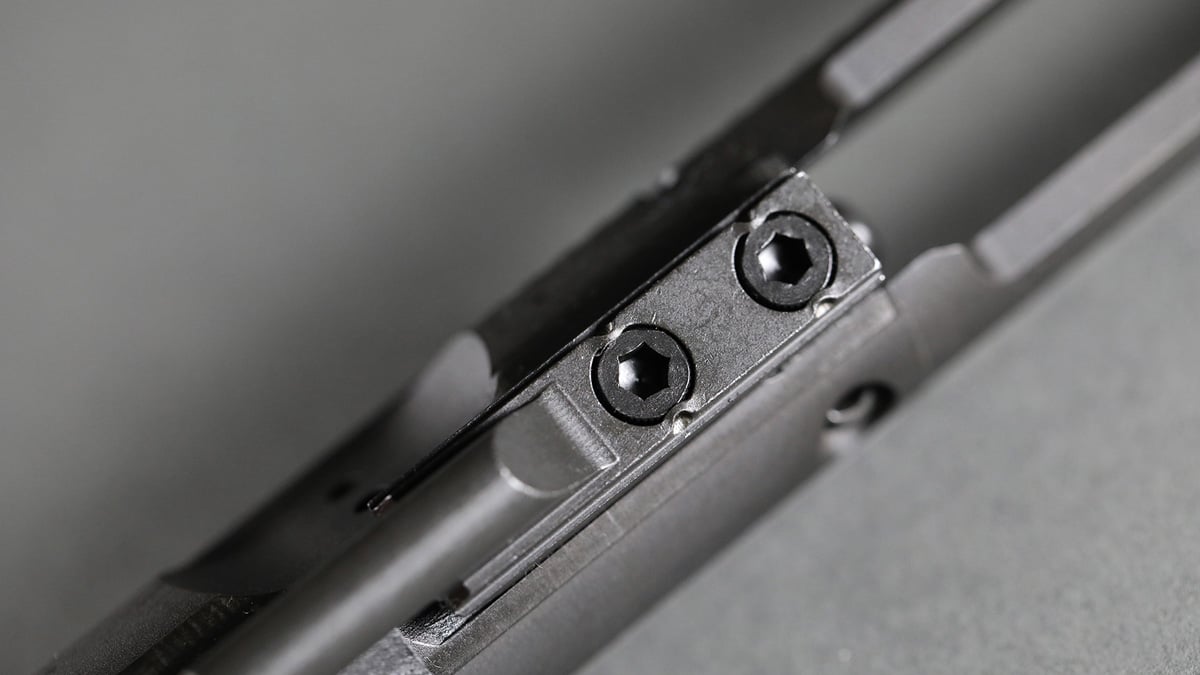
You can also tell that the screws on the gas key have been staked. The gas key takes a lot of the force in the cycling action, and staking the screws helps ensure the screws don’t back off.
The bolt itself is stamped "M," likely meaning it was manufactured by Smith Enterprises. Smith Enterprises supplies parts to the U.S. military, including the Marine Corps and some of its "special" units, so this bolt group is most likely good to go.
Barrel
Next, this barrel is designed for reliability. It’s a QPQ 4150 Chrome-Moly Vanadium barrel. You choose this type of steel barrel for its durability. Typically, you choose stainless-steel barrels for accuracy, but they degrade faster when there is a lot of high heat, like when you do a mag dump. This 4150 CMV steel is more durable when it comes to high heat. Then QPQ is a surface treatment that adds even more durability. It’s supposed to exceed even hard chrome.

Some other telltale signs of Caracal caring about the build is the large steel barrel nut. The barrel nut keeps the barrel locked in place and gives the handguard something to clamp on to. The more solid the barrel nut, the more rigid, accurate, and reliable the entire system.
I also really like the upgraded castle nut. The castle nut holds the buffer tube and stock in place. These are usually just torqued in place, and they can come loose. The Caracal's ratcheting castle nut that really locks it in place.

Finally, you can also tell everything is machined and finished very well, both inside and out. Now in addition to the build quality, because there are lots of companies that make similarly well put together rifles, is the reputation and warranty of the manufacturer. A lot of the more affordable AR-15s come from either small boutique makers or commercial high-volume discount companies.
Caracal International
Caracal is a huge international manufacturer with facilities in Asia, Europe, South America, the Middle East, and the U.S. It has high-tech manufacturing and quality control capabilities only available to these production powerhouses. Its U.S. rifles, including this one, come from Caracal's Idaho plant.

Caracal supplies militaries and law enforcement agencies worldwide, so its rifles are tested to NATO protocols including bore obstruction and “Over the Beach” testing. Most AR-15 builders don’t do this.
And, Caracal provides a limited lifetime warranty on all its firearms. Especially for someone who wants the buy-it-and-forget-it product, that provides peace of mind.
Trigger

My second buying reason is the trigger. A nice trigger makes everything better. They are more fun to shoot, but for practical purposes, better triggers make everyone more accurate. The better the trigger, the more likely you are going to hit what you are aiming at.
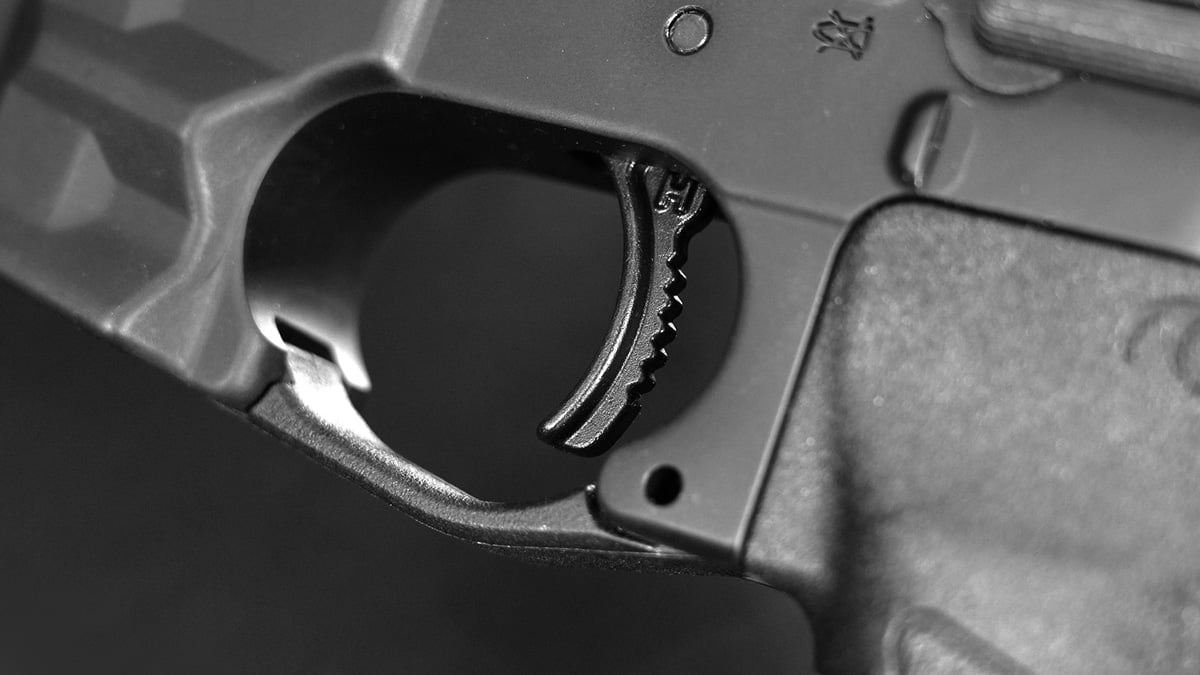
The Caracal comes with a Hiperfire Enhanced Duty Trigger Sharp Shooter. This is a great single-stage trigger. I’m a fan of all Hiperfire triggers, and this one does not disappoint.
There is no pre-travel at all, just a solid wall. The break is solid and crisp. Caracal advertises a 4.5 to 5.5-pound trigger pull, but I got a 3-pound, 12-ounce average on this one. After the break, there is no over-travel and a short, loud reset. This is an excellent trigger that I would have no qualms taking to a match.
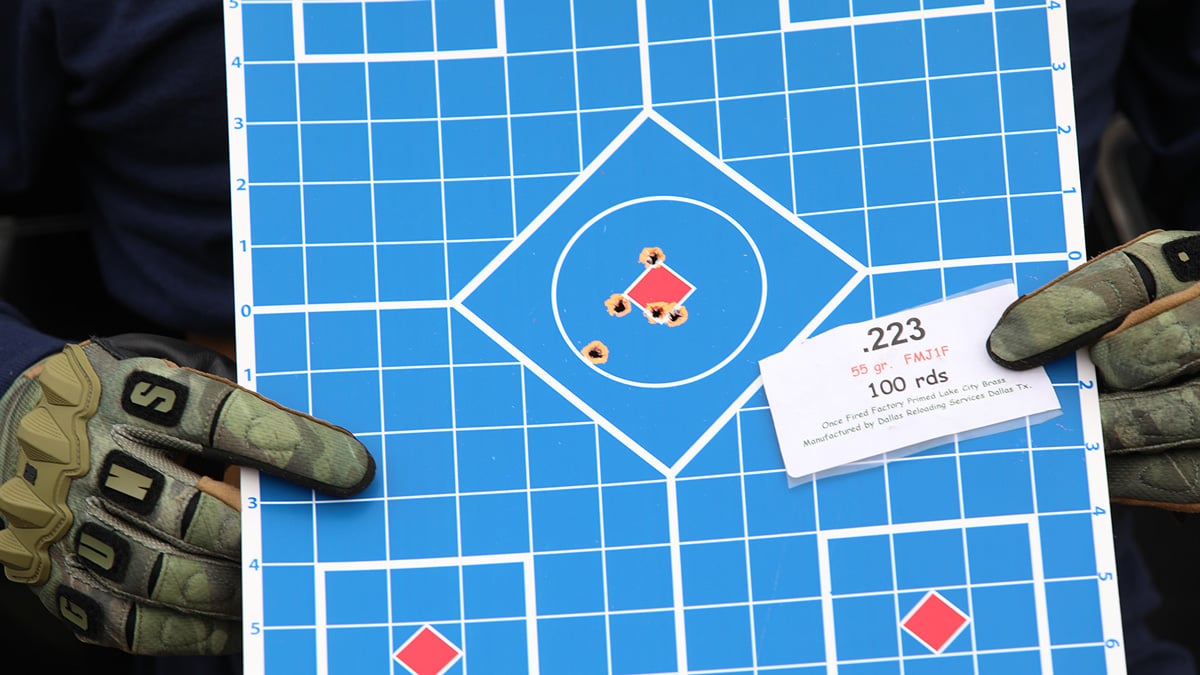
Mil-spec triggers are fine and usable, but a good trigger just elevates the gun. This one is as good as any trigger in a $2,000 gun.
Handguard
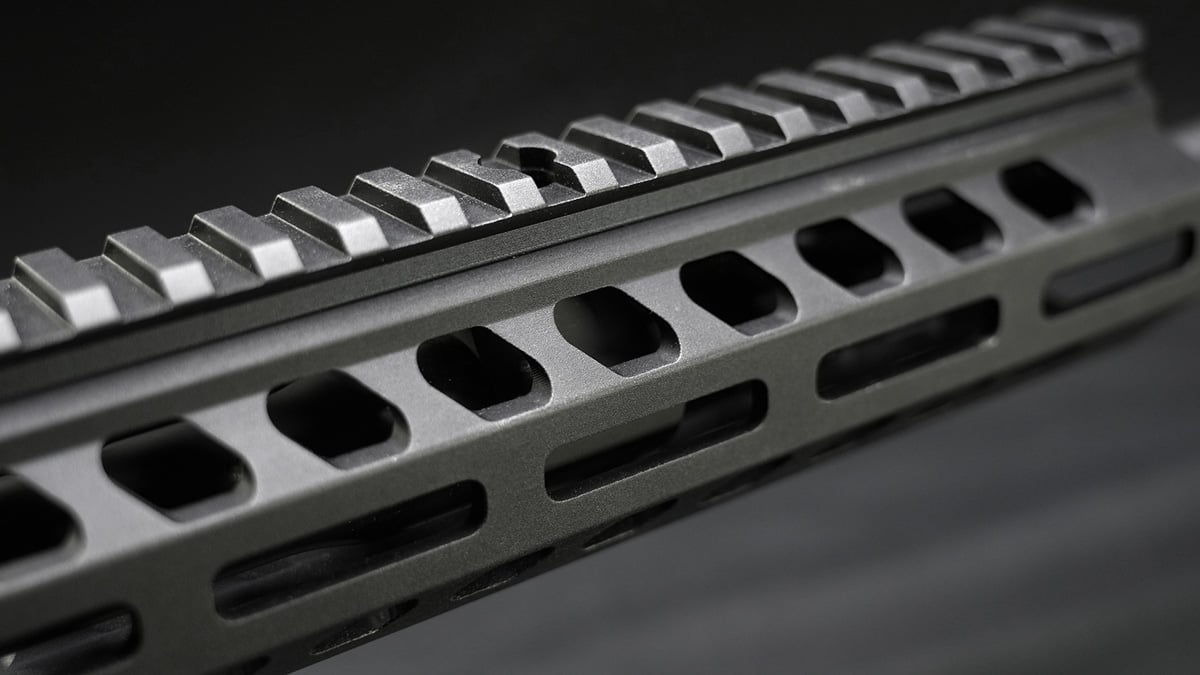
My third buying reason is the handguard. The handguard is how you drive and control the rifle, and I like a slim handguard that I can wrap my hand around and control. This one is slim, but not too slim, and it has no sharp edges that will dig into the hand. Also, at 12 inches, it’s long enough for even tall shooters to grip comfortably.
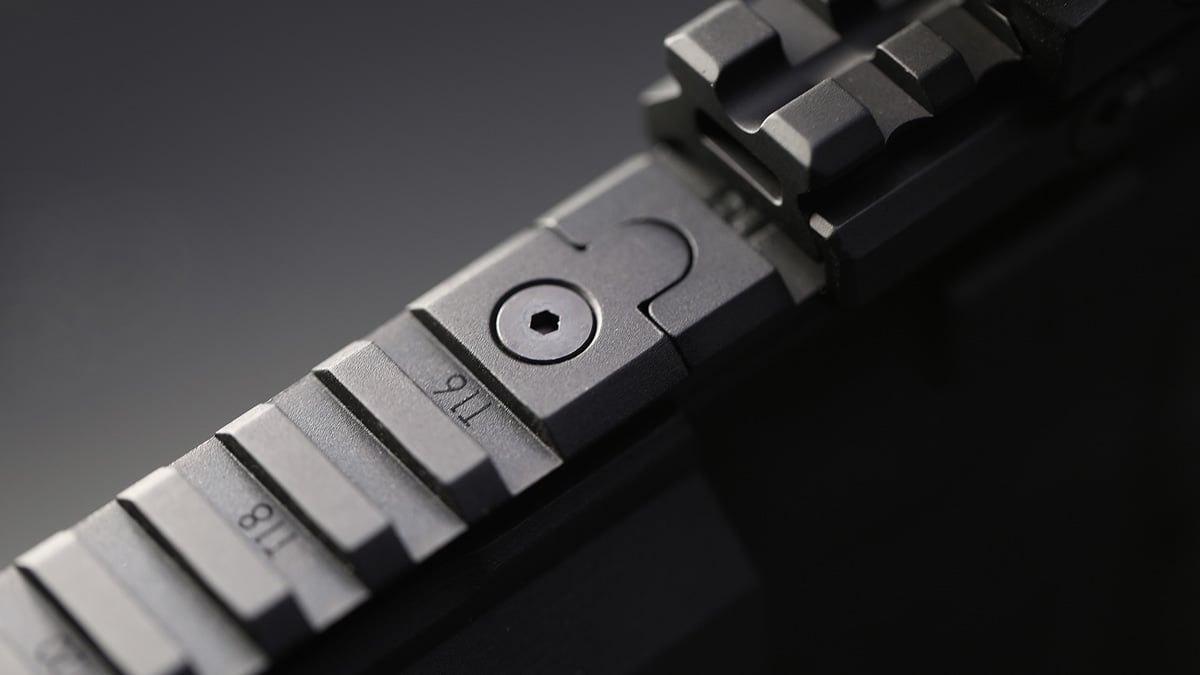
In addition, the handguard also very rigid, which is important when putting a lot of torque into the gun to stabilize it. It is keyed into the upper receiver with an indexing notch, so it’s not going to twist on you. It’s also lightweight because of all the M-LOK holes that give it modularity for accessories.
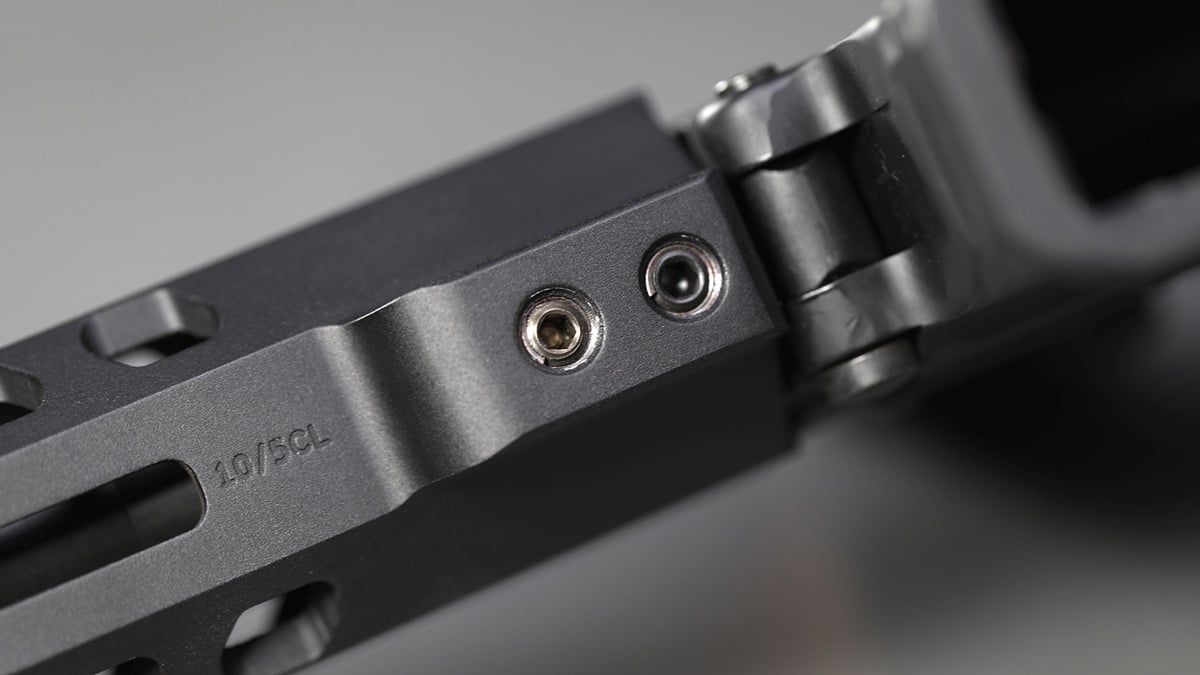
Lightweight
My final point is that the whole rifle itself is lightweight. Weight is important for a rifle that is carried a lot and shot less. This is primarily due to the handguard, which we just talked about, and the barrel. Caracal uses a modified M4 barrel profile. The M4 profile is basically thinner near the breech but thickens as you move to the muzzle end.

Personally, I’d prefer a lightweight or pencil profile like Eugene Stoner originally designed, but the M4 works for the U.S. military. And the overall rifle is still only 6.4 pounds bare – that’s handy enough to be versatile.
My Cons
If I were to nit-pick anything else, I would prefer a flat, two-stage trigger, because I just like that better. It’s personal preference.

I’d also like all-ambidextrous controls, especially the bolt lock and release. As it comes, only the safety and charging handle are ambidextrous. That’s fine; I don’t really think you can ask for more at this price point.
Models
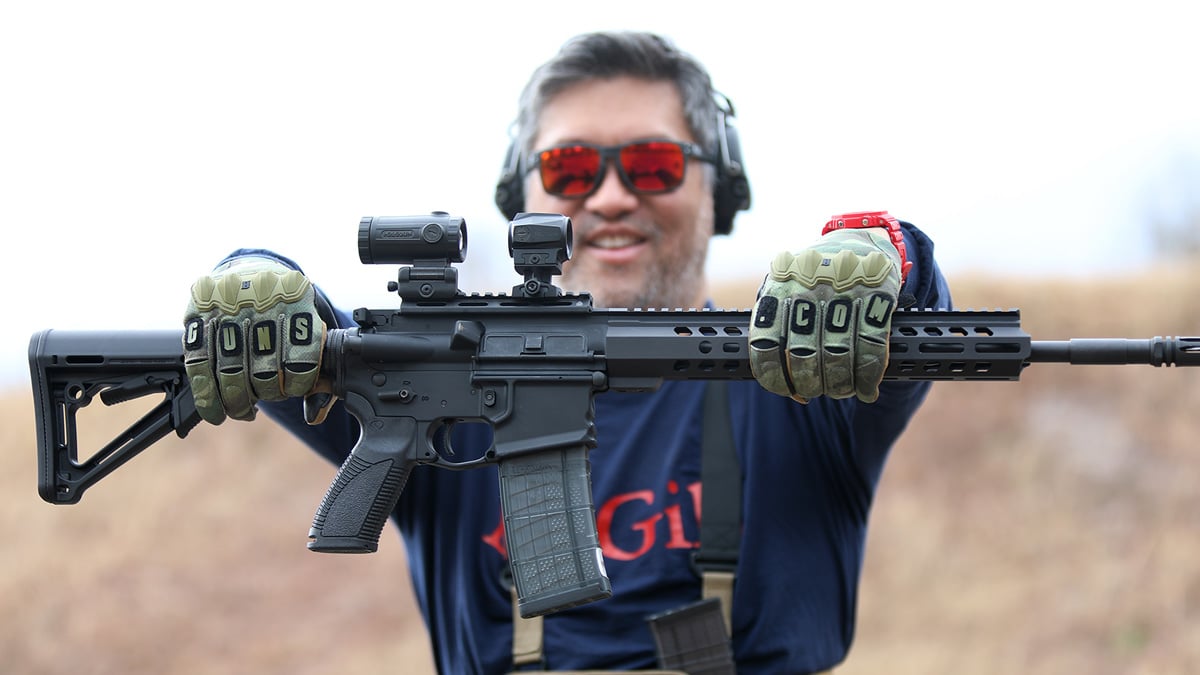
In general, Caracal makes its U.S. DI rifles available in 5.56 and .300 Blackout. They are also available in pistol and rifle configurations with different barrel lengths.

Caracal has three basic trim levels: MOE, Patrol, and Versus. The entry-level MOE comes with Magpul MOE furniture, while the Versus is Caracal’s high-end competition model with a carbon-fiber barrel. The Patrol variant is the most versatile in the company’s lineup.
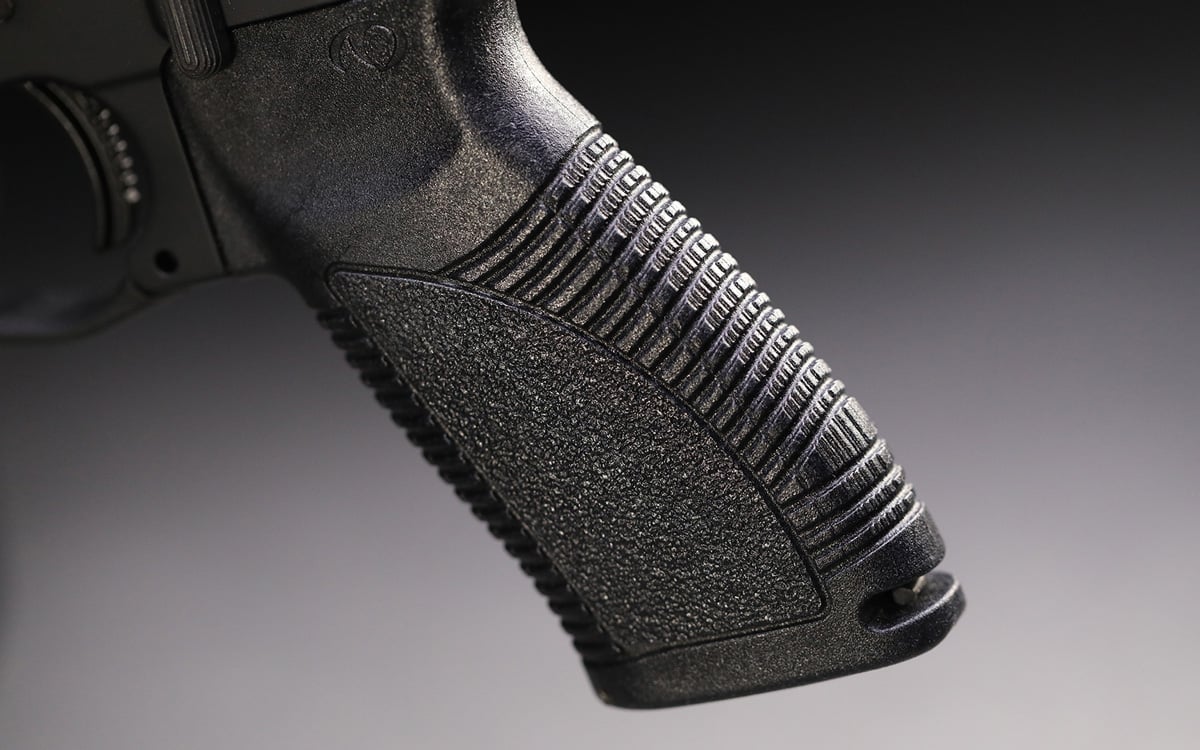
Rounding out this Patrol’s features are:
- A forged 7075 hard coat anodized aluminum upper and lower receiver
- 16-inch inch 1:7 twist barrel with A2-style flash hider
- Magpul CTR buttstock
- Caracal proprietary pistol grip
- Magpul enlarged trigger guard
-
Multiple QD sling attachment points
Conclusion
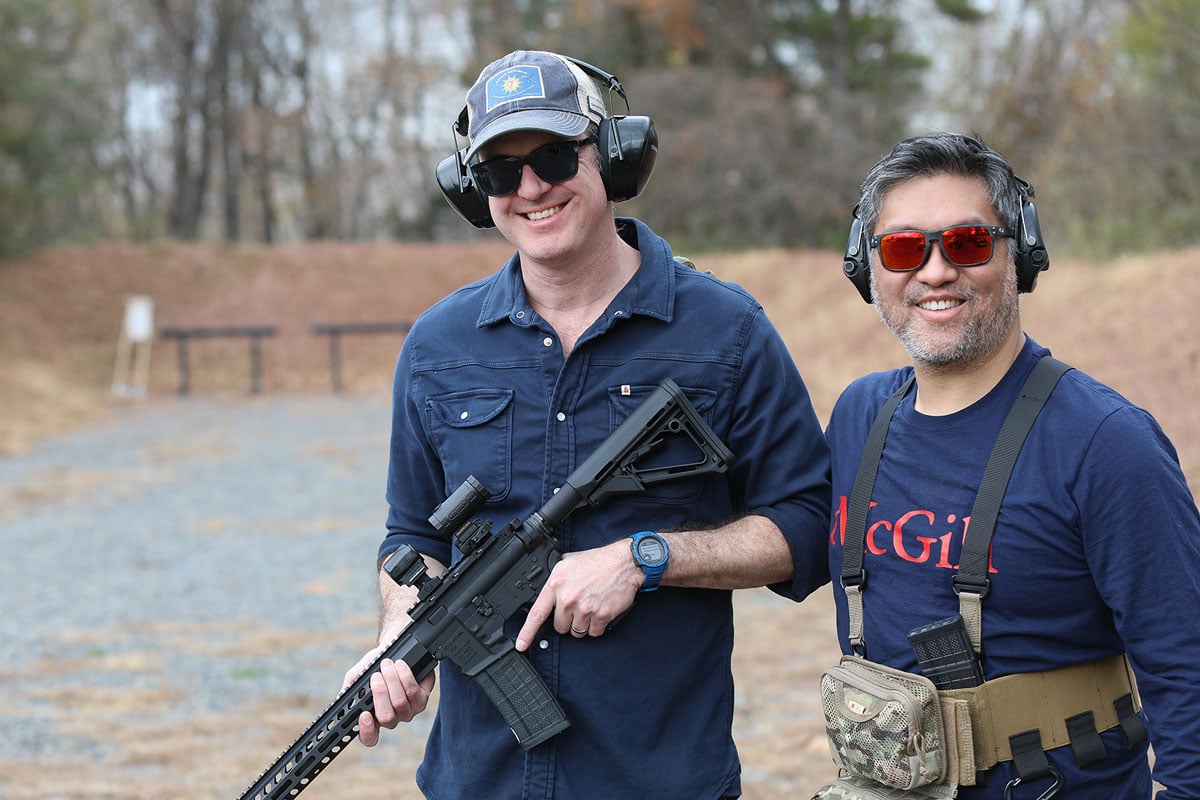
Guns.com sells this CAR814 for around $1,300. Typically, AR-15s run from $500 to over $3,000, so this one is about middle of the road. Personally, I think it’s a great value for what you get.
Finally, if you like piston guns, Caracal also makes a short-stroke piston version of this gun similar to the HK 415.